Sushi Making Class Shibuya Tokyo — Hand Rolled Temaki Steps from the Scramble Crossing

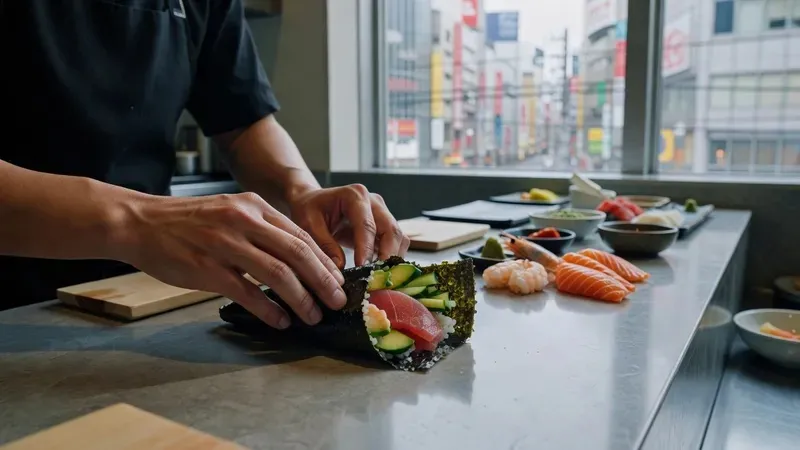
The sushi making class Shibuya Tokyo by GET AROUND JAPAN sits one floor below street level, steps from the most-photographed pedestrian crossing in the world, and teaches the one sushi style no other class on this page focuses on: temaki. Hand-rolled sushi cones — nori wrapped around vinegared rice, tuna, salmon, shrimp, avocado, and cucumber — are the form of sushi most often made at home in Japan and the least technical to learn. At $45 with a 5.0★ rating across 24 verified reviews, this is both the most affordable and the highest-rated class in this guide. If you want the fastest, most satisfying introduction to making sushi in Tokyo, this is the one.
About This Activity
Up to 24 hours in advance — full refund
Secure your spot with no payment today
1.5 hours
B1 Floor, near Shibuya Scramble Crossing, Shibuya, Tokyo — turn right of the hair salon on the ground floor
5.0★ from 24 verified reviews (100% 5-star)
All sushi ingredients (tuna, salmon, shrimp, rice, seaweed, vegetables), English-speaking instructor, apron, professional utensils
English
Check Live Availability
Steps from Shibuya Scramble Crossing. Check available dates and book your spot.
Why Temaki and Why Shibuya
Temaki (手巻き) — hand-rolled sushi cones — are the home-party version of sushi in Japan. Unlike nigiri, which requires years to shape correctly at a professional level, temaki is an inherently approachable form: you spread rice on a nori sheet, add fillings, and roll it into a cone by hand. The result is almost always good on the first attempt. This is the sushi you'll actually make again at home.
GET AROUND JAPAN teaches temaki specifically and teaches it thoroughly. Instructors KC and Casey cover the 'golden ratio' of fillings (the balance between rice, protein, and vegetable that makes each bite taste right), the correct way to handle nori to keep it crispy rather than soft, and the cultural etiquette of sushi — why you dip the fish, not the rice, into the soy sauce.
The Shibuya location is strategically placed. You're B1 in a building steps from the Scramble — the most central, accessible location of any sushi class in Tokyo. If you're using Shibuya as a base or spending the afternoon in the area, this class requires zero commute. Among sushi making classes in tokyo options, this is the sharpest value and the most approachable format.
What You'll Make & Learn
The class teaches temaki from the foundation up — starting with the rice and working through each ingredient, so you understand why the rolls taste the way they do rather than just following a recipe.
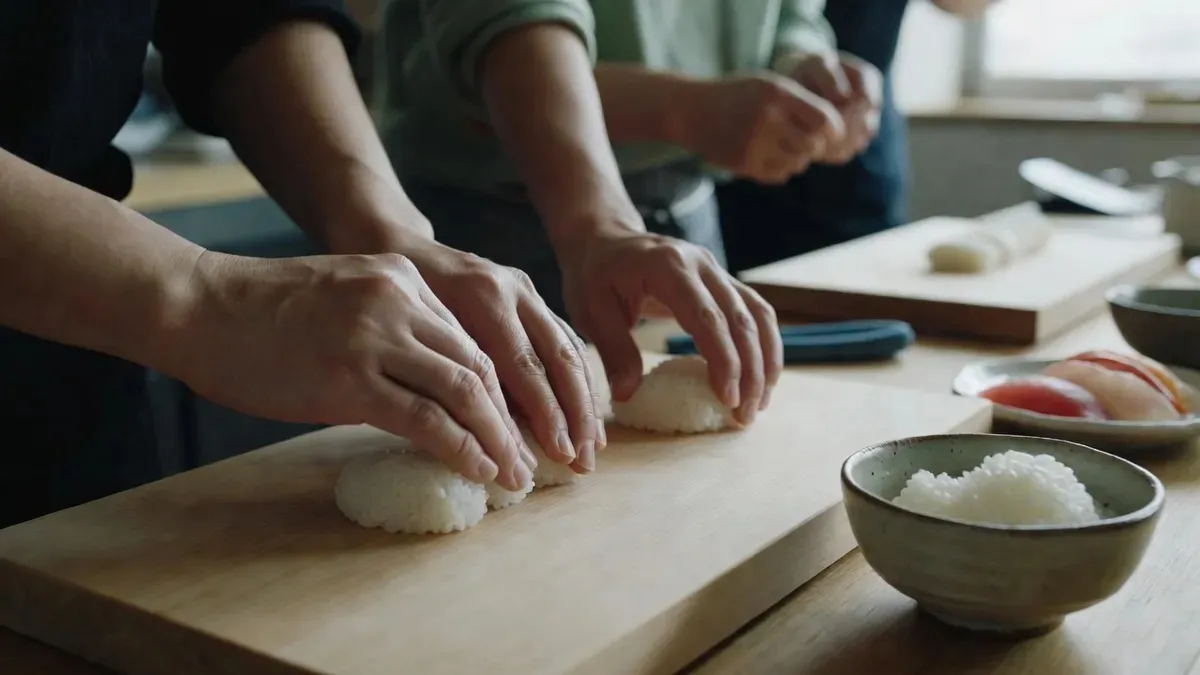
- Sushi rice: the correct seasoning (sushi-zu — vinegared mixture), the golden ratio, and how to fold without crushing the grains
- Nori handling: how to keep seaweed crispy rather than soft — the single most common beginner mistake
- Tuna preparation: slicing and layering premium maguro
- Salmon preparation: fresh sake, same technique
- Shrimp: ebi preparation and placement
- Vegetable fillings: cucumber, avocado — balance in every bite
- The golden ratio: getting the rice-to-filling ratio right so the cone holds and tastes balanced
- Sushi etiquette: dip fish, not rice — and why
- Sit-down feast: miso soup and green tea served alongside your hand rolls
What's Included
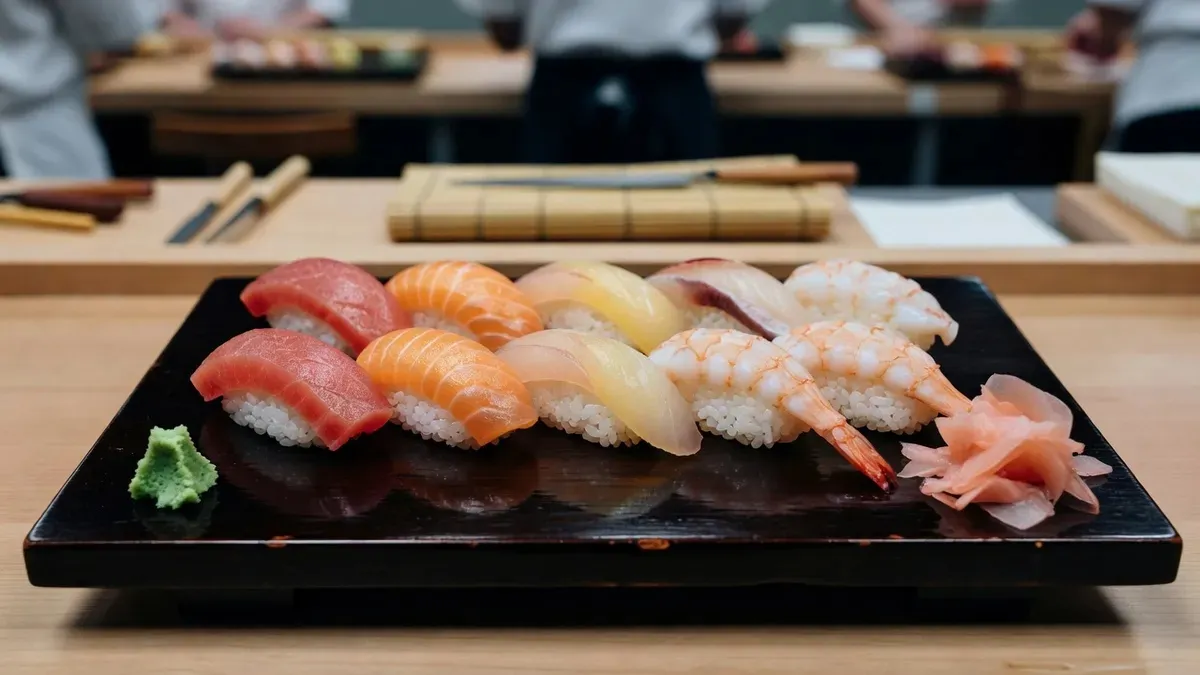
- All sushi ingredients: tuna (maguro), salmon (sake), shrimp (ebi), rice, nori seaweed, cucumber, avocado
- Professional English-speaking instructor
- Apron and professional utensils
- Sit-down feast at the end: your temaki hand rolls with miso soup and green tea
Not included
- Additional fish or meat (available for purchase)
- Alcohol and soft drinks (available for purchase on-site)
- Hotel pickup or drop-off
- Gratuities (optional)
How the Class Works
- Arrival: head to the B1 floor (to the right of the hair salon on the ground floor near Shibuya Scramble)
- Introduction: instructors explain temaki's place in Japanese food culture and home dining
- Rice: prepare and season sushi rice — the ratio and technique behind the golden ratio
- Nori technique: how to handle seaweed without making it go soft
- Ingredient prep: slice tuna, salmon, and shrimp; prepare vegetable fillings
- Rolling: construct your temaki cones with instructor guidance on ratio, tension, and presentation
- Sushi etiquette: learn the correct way to eat and what the cultural rules behind sushi are
- Feast: sit down and eat all your temaki with miso soup and green tea
Important Things to Know Before You Go
Practical points for your visit:
- The studio entrance is on the B1 floor — to the right of the hair salon on the ground floor; look for the GET AROUND JAPAN signage
- Additional fish, meat, alcohol, and soft drinks are available for purchase on-site
- Dietary accommodation on request — notify the operator before the class if you have specific requirements
- This is a newer operator (fewer reviews than longer-established classes) but 100% of 24 reviews are 5-star
Getting There — Near Shibuya Scramble
Who This Class Is For
The Shibuya temaki class is the most accessible entry point into Tokyo sushi making. It's designed for people who want to learn something real without the intimidation of complex technique.
- First-timers who want the most approachable sushi format — temaki is the easiest sushi style to make well on the first attempt
- Budget-conscious travelers — at $45, this is the most affordable vetted sushi class in Tokyo
- Travelers already in Shibuya who want to add a short cooking experience to their day
- Groups who want a fun, social class — temaki is naturally collaborative
- Anyone who wants to make sushi at home: the temaki format translates directly to a home dinner party
Not suitable for
- Guests with raw fish or shellfish allergies (tuna, salmon, and shrimp are core ingredients)
- Travelers looking for a technical deep-dive on nigiri or traditional Japanese sushi culture — the Tsukiji or Ginza class is more appropriate
Frequently Asked Questions
What is temaki sushi?
Temaki (手巻き, literally 'hand roll') is sushi formed by wrapping a sheet of nori (dried seaweed) around vinegared rice and fillings into a cone shape. It's the informal, home-party version of sushi in Japan — less technically demanding than nigiri but equally satisfying to eat. The Shibuya class uses tuna, salmon, shrimp, cucumber, and avocado as standard fillings.
Where exactly is the class located?
The studio is in a building steps from Shibuya Scramble Crossing — the most iconic pedestrian crossing in Tokyo. Go to the B1 floor, turning right of the hair salon on the ground floor. Exact directions and a map are included in your booking confirmation. It's walkable from Shibuya Station on any line.
Why is this the most affordable sushi class on the list?
At $45, the Shibuya class is the lowest-priced vetted option in our guide. GET AROUND JAPAN is a newer operator building its review base — the value reflects that rather than any quality compromise. All 24 current reviews are 5-star.
Can I buy extra drinks or food during the class?
Yes — additional fish, meat, alcohol, and soft drinks are all available for purchase on-site. The base price covers the full temaki ingredient set and the sit-down feast, but you can supplement if you want more.
Will I be able to make temaki at home after this?
Yes — this is one of the explicit goals of the class. Instructors teach the techniques (nori handling, the golden ratio of fillings, rice seasoning) in a way that transfers to a home kitchen. The simplicity of temaki is the point — it's the sushi format that works at a dinner party without a professional setup.
What does 'golden ratio' mean in the context of temaki?
The golden ratio refers to the balance of rice to filling in a hand roll — enough rice to hold the cone together and carry the flavour, enough fish and vegetable to taste the filling distinctly, and the correct nori proportion so the seaweed wraps without tearing or going limp. The class covers exactly this ratio and why it matters.
Why do you dip the fish and not the rice into soy sauce?
Dipping the rice into soy sauce overwets it and breaks the structural integrity of the piece — for nigiri especially, soggy rice destroys the shape and balance. For temaki, dipping the fish end keeps the rice intact and delivers the soy flavour to the topping rather than the base. The class covers this etiquette with its cultural background.
Is there food at the end?
Yes. You sit down and eat all the temaki you made, with miso soup and green tea provided. It's a generous portion — come hungry. Additional ingredients are available for purchase if you want to roll more.
How do I book and how far in advance?
Book directly through the link on our best sushi making class tokyo guide. 1–2 weeks advance is sufficient for most periods. During cherry blossom or summer holidays, book 2–3 weeks ahead. Being a newer operator, availability is generally easier than the longer-established Asakusa class.
What Travelers Say
This was such an awesome experience! The atmosphere and food was delish and our guide Casey was SO awesome and welcoming. Definitely recommend if you are looking for any sushi making class in Tokyo!
Casey and Jay were amazing! I learned making a hand roll sushi and had such a fun, interactive experience. They explained everything so well — from the ingredients to the techniques and the cultural background behind sushi making. It honestly felt more like spending time with friends than just taking a class.
It was so delicious that I ate it all. I never imagined hand-rolled sushi could be this good. The guide taught us everything from the history of sushi to recommended restaurants — when I get back to France, I definitely want to use what I learned here to serve hand-rolled sushi at a party.