Sushi Making Class Tokyo — Nigiri, Maki & Temaki with a Real Chef

Sushi making class Tokyo — our guide compares the top-rated options across Asakusa, Tsukiji, Shibuya, and Ginza so you can find the right class for your budget, your sushi style, and your free afternoon.

  • ★4.9 average rating
  • 4,800+ verified reviews
  • Free cancellation on all classes
4.8–5.0★ across all operators
English-speaking instructors guaranteed
Vegan & gluten-free options available
Classes from 90 minutes to 3 hours
1820s When Edomae sushi was born in Tokyo
$45–$119 Price range per person
90 min Average class duration
Max 9 Typical group size per session

Check Live Availability

Live availability for the Asakusa Roll & Authentic Sushi class — select a date to see open time slots.

Powered by GetYourGuide

Best Sushi Making Class Tokyo — Top Picks for 2026

Six vetted classes from Asakusa to Ginza — every operator is English-friendly, beginner-ready, and ends with a sit-down sushi meal you made yourself.

Two travelers making nigiri and maki rolls at a sushi making class in Asakusa Tokyo with an English-speaking instructor from $57

Tokyo: Roll and Authentic Sushi Making Class in Asakusa

★★★★★ ★★★★★ 4.9(2,153 reviews)· 100 minutes
  • Make two types: maki rolls and authentic nigiri sushi
  • Fun interactive sushi history quiz kicks off the class
  • Friendly English-speaking local staff throughout
  • Vegan, gluten-free, and halal menus available on request
Read the full guide → Check Availability
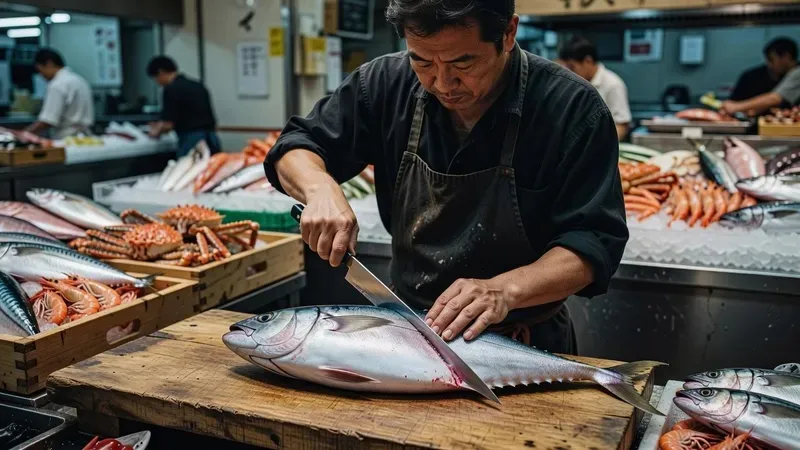
Travelers watching a live fish-cutting demonstration at a Tsukiji Market sushi making class in Tokyo with a professional sushi master from $69

Tokyo: Tsukiji Fish Market Sushi Making Class with Pro Chef

★★★★★ ★★★★★ 4.9(696 reviews)· 1.5 – 4 hours
  • Live fish-cutting show by a pro sushi master using authentic Japanese knives
  • Watch fresh wasabi grated and shari-kiri technique performed
  • Make 4 nigiri + 1 maki with premium Tsukiji-sourced ingredients
  • Traditional dashi soup served alongside your handmade sushi
Read the full guide → Check Availability
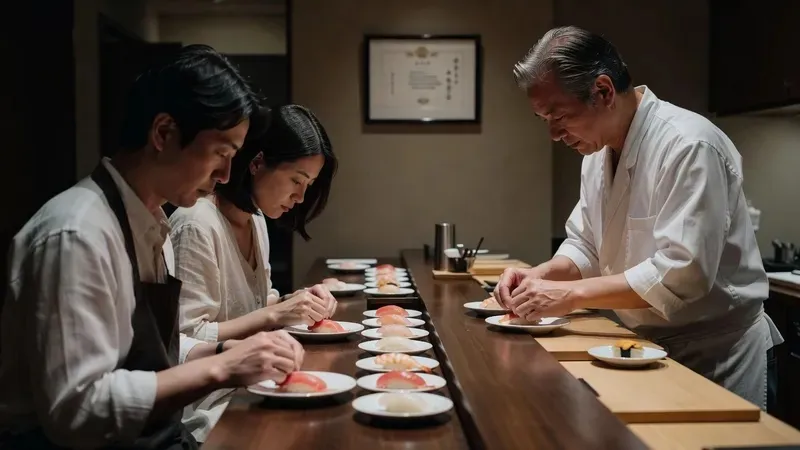
Small private group shaping nigiri sushi at an intimate counter with a master chef at a private sushi making class in Ginza Tokyo from $119

Tokyo: Private Sushi Making & Sushi Lunch with a Master Chef

★★★★★ ★★★★★ 4.8· 1.5 hours
  • Private sushi counter in Ginza — reserved exclusively for your group
  • Learn traditional Edomae sushi techniques from a master chef
  • Shape nigiri and roll maki with seasonal, premium ingredients
  • English-speaking guide interprets and accompanies throughout
Read the full guide → Check Availability
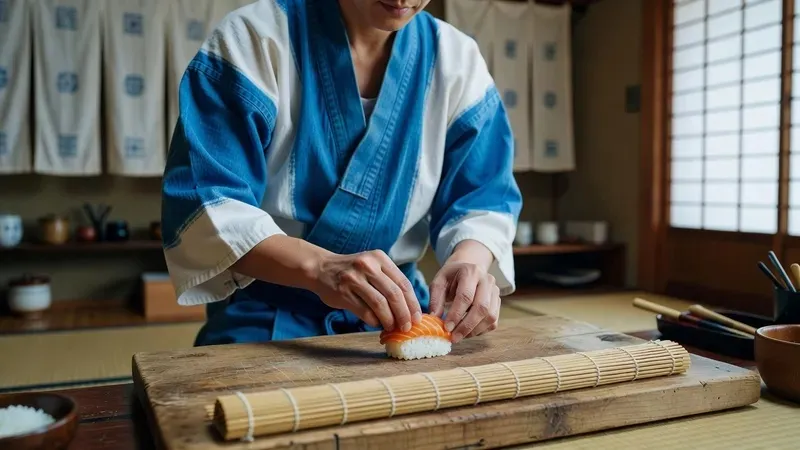
Participant wearing a traditional happi coat shaping nigiri sushi with fresh tuna at a sushi making class near Tokyo Tower in Tokyo Japan from $58

Tokyo: Sushi Making Class in a Happi Coat near a Famous Spot

★★★★★ ★★★★★ 4.9(1,528 reviews)· 1.5 hours
  • Wear a traditional happi coat to feel like a real sushi master
  • Learn to make nigiri with fresh tuna and salmon from scratch
  • Classic Japanese-style setting with skilled chef guidance
  • Two location options: near Tokyo Tower or in Asakusa
Read the full guide → Check Availability
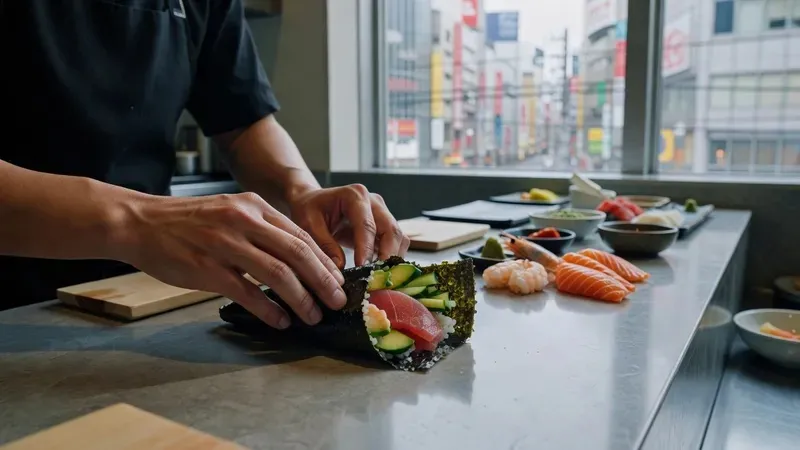
Couple rolling hand-rolled temaki sushi cones with fresh tuna and salmon at a sushi making class near Shibuya Scramble Crossing in Tokyo from $45

Tokyo: Authentic Hand Rolled Sushi Making Class in Shibuya

★★★★★ ★★★★★ 5(24 reviews)· 1.5 hours
  • Minutes from Shibuya Scramble — Tokyo's most iconic location
  • Master temaki (hand-rolled sushi) with tuna, salmon, and shrimp
  • Learn the golden ratio of fillings and authentic shari seasoning
  • Discover the cultural etiquette behind sushi — why we dip the fish, not the rice
Read the full guide → Check Availability
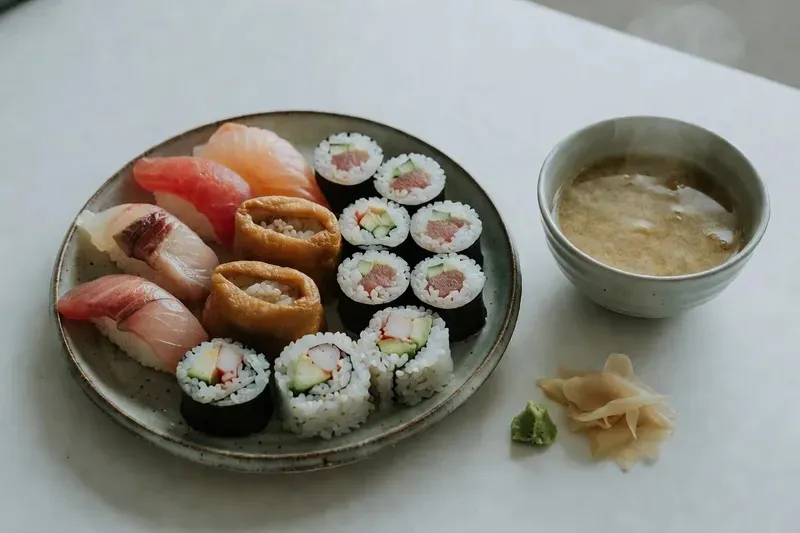
Small group of four carefully placing toppings on nigiri sushi at a three-hour sushi making class in Shinjuku Tokyo from $65

Tokyo: 3-Hour Sushi Class — Nigiri, Rolls & Tamagoyaki

★★★★★ ★★★★★ 4.9(416 reviews)· 3 hours
  • Small group only — maximum 9 participants for personal instruction
  • 3 hours: nigiri, inari, thin roll, California roll, plus tamagoyaki
  • Learn to season sushi rice from scratch — the foundation of great sushi
  • Full sit-down meal at the end with miso soup, wasabi, and pickled ginger
Read the full guide → Check Availability

Sushi classes in Tokyo fill up fast — especially during cherry blossom season and Golden Week.

Book 2–3 weeks in advance to lock in your preferred time slot.

Check Availability

Sushi Classes in Tokyo — Side-by-Side Comparison

Tour Price Book Duration Sushi Style Location Diet-Friendly Rating
Roll & Authentic — Asakusa $57 Check Availability 100 min Maki + nigiri Asakusa Vegan / GF / Halal 4.9★
Tsukiji Fish Market + Pro Chef $69 Check Availability 1.5–4 hr Nigiri + maki + fish show Tsukiji Fish-only menu 4.9★
Private Edomae Sushi — Ginza $119 Check Availability 1.5 hr Edomae nigiri + maki Ginza Fish-only menu 4.8★
Happi Coat Class — Tokyo Tower/Asakusa $58 Check Availability 1.5 hr Nigiri (tuna + salmon) Tokyo Tower or Asakusa Veg / Vegan / GF 4.9★
Hand Rolled Sushi — Shibuya $45 Check Availability 1.5 hr Temaki (hand cones) Shibuya On request 5.0★
3-Hour Deep Dive — Shinjuku $65 Check Availability 3 hr Nigiri, inari, rolls + tamagoyaki Shinjuku GF / Veg / Allergy-friendly 4.9★
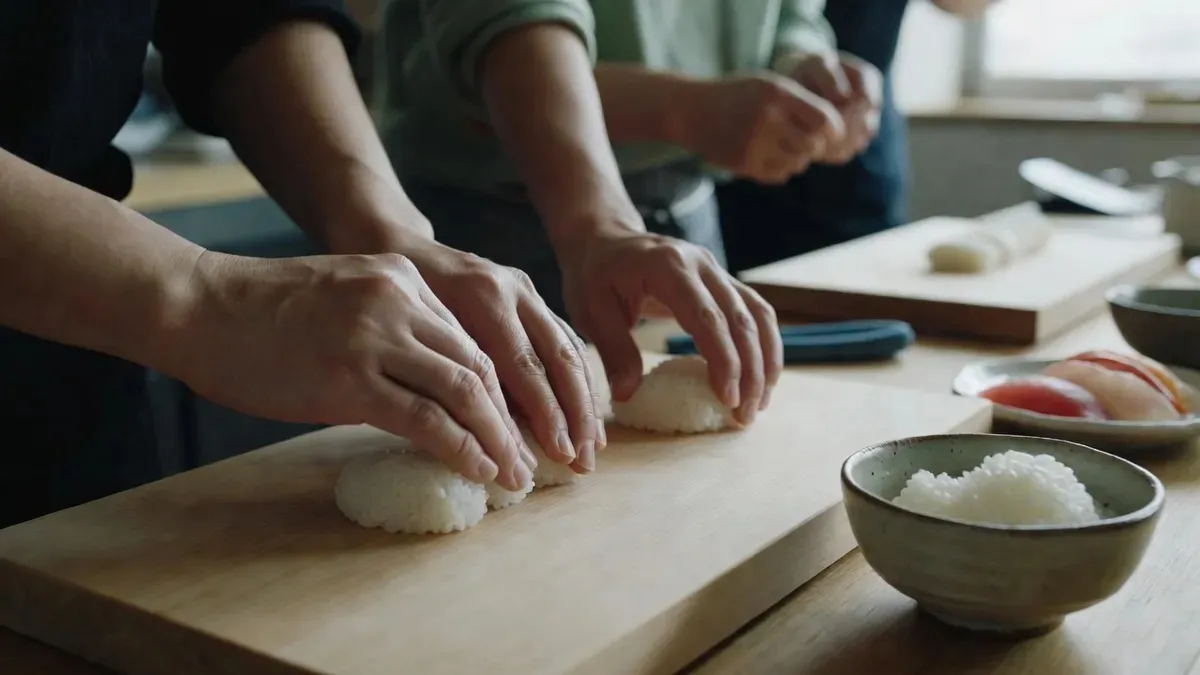
Hands shaping a nigiri sushi piece on a wooden board at a sushi making class in Tokyo Japan with fresh tuna and salmon
Shaping nigiri by hand — the core technique you'll learn in any Tokyo sushi class.

Why Tokyo Is the World Capital of Sushi

200+ Years of Edomae sushi tradition Tokyo-style sushi (Edo-mae) was invented in the 1820s and became the global standard for how nigiri is made — every class here teaches from that same lineage.
#1 City for Michelin-starred restaurants Tokyo holds more Michelin stars than any other city on earth, including more three-star sushi counters than Paris, New York, and London combined.
$45 Lowest-priced certified class in this guide The Shibuya temaki class delivers a full hand-roll experience with premium tuna, salmon, and shrimp — the sharpest value for a first-time Tokyo sushi class.

Complete Beginner's Guide to Sushi Making Classes in Tokyo

Nigiri, Maki, or Temaki — Which Sushi Style Will You Learn?

Most Tokyo sushi classes teach two or three styles depending on the operator and duration. Knowing the difference helps you pick the right class before you book.

Nigiri is the hardest to master — you're shaping a firm rice pillow by hand, applying exactly the right pressure so it holds without compressing. Every class that includes nigiri spends at least 20 minutes on this technique alone. Maki rolls are more forgiving and a natural confidence-builder for first-timers. Temaki (hand cones) are the easiest of all three and ideal for groups.

If you want the deepest technical grounding, the 3-hour Cooking Sun class in Shinjuku covers nigiri, inari, hosomaki, California roll, and tamagoyaki. If you want the fastest payoff in a famous location, the Asakusa Roll & Authentic class (100 minutes, 4.9★, 2,153 reviews) is the most-reviewed option on this page.

  • Nigiri — hand-pressed rice with fish on top; shaped by feel; every class that includes it spends at least 20 min on technique alone
  • Maki — seaweed roll; easier to start with; fillings vary from tuna-cucumber to California style
  • Temaki — hand-rolled seaweed cone; the Shibuya class specialises in this; relaxed and fast to learn
  • Inari — sweet tofu pouch sushi; naturally vegan-friendly; included in the Cooking Sun 3-hour class
  • Edomae style — traditional Tokyo nigiri with cured or seasoned fish; taught only at the private Ginza session

Best Time to Book a Sushi Class in Tokyo — Month-by-Month

Demand for sushi classes in Tokyo follows Tokyo's tourism peaks almost exactly. Cherry blossom season (late March–mid April) and Golden Week (April 29–May 5) are the hardest periods to secure a slot — book four to six weeks ahead during those windows.

Autumn (September–November) is the sweet spot: fish quality is at its seasonal best, tourist volume drops, and slots are easy to book one to two weeks out. Summer (July–August) is busy with school-holiday travelers but some shorter-shelf-life species are less reliable in the heat — still a good time, just book early.

PeriodDemandBook This Far AheadNotes
Dec – Feb (winter)Low3–5 daysEasy to book; excellent fish quality; fewest tourists
Mar – Apr (cherry blossom)Very High4–6 weeksBusiest season — slots disappear fast, especially Asakusa
Golden Week (Apr 29 – May 5)Extreme6–8 weeksNear-impossible last-minute; plan well ahead or skip
May – Jun (early summer)Medium1–2 weeksPleasant weather, good availability across all districts
Jul – Aug (summer)High2–3 weeksPopular with families; some fish quality variation in heat
Sep – Nov (autumn)Low–Medium1 weekBest fish season; recommended window for first-timers

Shinjuku, Ginza & Shibuya — Which Tokyo District Fits Your Trip?

Not all sushi making classes Tokyo offers are equal when it comes to location. The district changes the commute, the atmosphere, and the style of sushi you learn.

The sushi making Tokyo cooking class in Asakusa is the most atmospheric — you're in Tokyo's most historic district, steps from Senso-ji. The sushi making class Shibuya Tokyo option specialises in temaki and suits anyone staying in central Tokyo. Shinjuku (Cooking Sun) is the best pick for a three-hour deep-dive with a maximum nine-person group. Ginza is the only option for a private sushi making class Tokyo visitors book for honeymoons, anniversaries, or corporate events.

Every sushi making class Tokyo English-friendly option on this page includes at least one professional chef or certified instructor — the difference is depth, location, and dietary flexibility. Best sushi making class Tokyo recommendation if you can only do one: the Asakusa Roll & Authentic class combines the highest review count, the widest dietary options, and the most iconic setting.

  • Asakusa — most atmospheric; best-reviewed sushi making classes Tokyo has; vegan/GF/halal menus available
  • Tsukiji — full fish market experience; live fish-cutting show; fish-only menu
  • Ginza — only private sushi making class Tokyo option; Edomae master; certificate included
  • Shibuya — central location; relaxed temaki focus; steps from Scramble Crossing
  • Shinjuku — best for a 3-hour class; widest sushi variety; max 9 people

What to Wear, What to Bring, and What to Tell Your Instructor

Sushi classes in Tokyo are hands-on but clean — you're working with fish and vinegared rice, not open flames or oil. Dress comfortably; several classes provide a happi coat or apron, but it's still wise to avoid a white shirt.

The most important step before you arrive: communicate any dietary restrictions at booking, not on the day. The Asakusa, Happi Coat, and Shinjuku classes can accommodate vegan, gluten-free, and allergy-related needs — but the kitchen prepares ahead. The Tsukiji and Ginza classes do not offer meat-free menus, so choose accordingly.

  • Wear comfortable, casual clothes — avoid a white shirt (light fish oil risk during nigiri shaping)
  • Disclose food allergies or dietary needs at booking — not on arrival
  • Arrive 5–10 minutes early — instructors start on time; Tsukiji turns away guests arriving 15+ min late
  • Bring a phone with offline maps if your class is in a residential building (Cooking Sun, Shinjuku)
  • Come hungry — every class on this page ends with a sit-down meal of the sushi you made

Where to Find Tokyo's Best Sushi Classes

What Travelers Say After Their Sushi Class in Tokyo

★★★★★ ★★★★★
This was one of the best experiences we had in Tokyo. Learning how to prepare sushi and rolls under Tomo's guidance was an absolute pleasure — professional, welcoming, and full of passion. It's not just a typical tourist workshop, but a genuine piece of Japanese culture that will stay with you for a lifetime.
Adam · Poland
★★★★★ ★★★★★
We took a sushi-making class at Tsukiji Market and it was such a fun and interesting experience. Chef Tanaka was amazing at explaining every step with patience and enthusiasm, and thanks to our guide Satoko we felt very comfortable from the beginning. I would definitely recommend this to anyone visiting Tokyo.
Eleonora · Italy
★★★★★ ★★★★★
This was such an awesome experience! The atmosphere and food was delish and our guide Casey was SO awesome and welcoming. Definitely recommend if you are looking for any sushi making class in Tokyo!
Georgia · United States
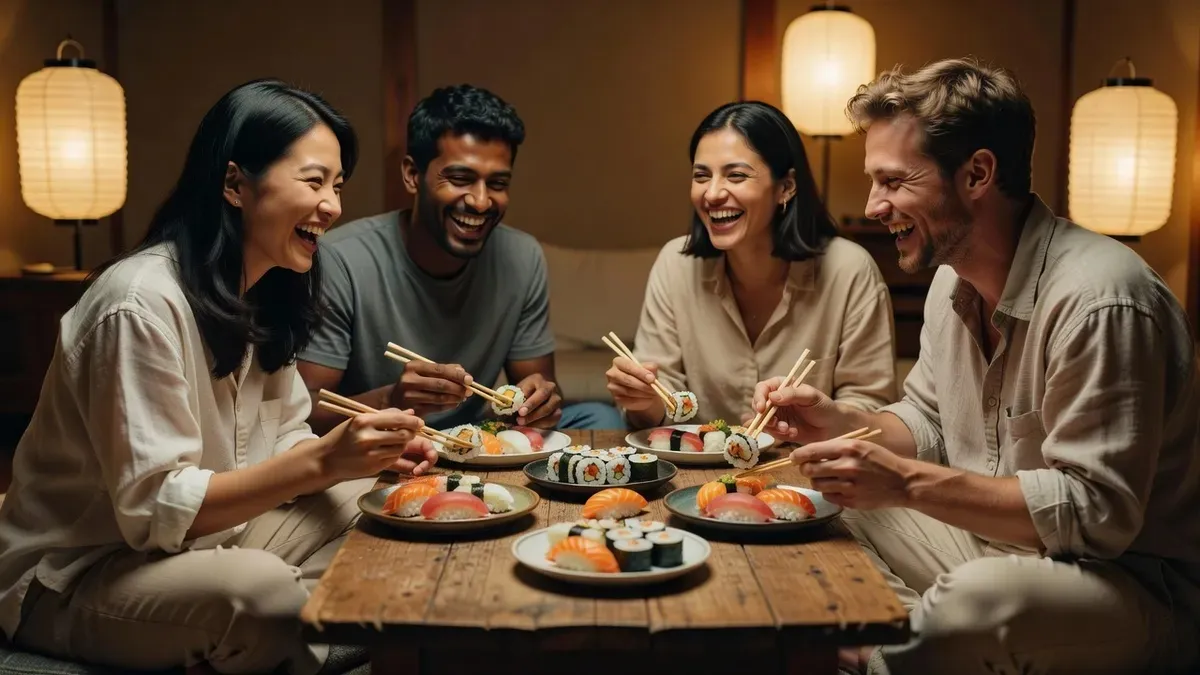
Group of smiling travelers eating handmade nigiri and maki rolls at the end of a sushi making class in Tokyo Japan
The best part of every class — sitting down to eat everything you made.

Why Book Your Tokyo Sushi Class Through This Guide

Only Vetted Operators

Every class here holds a 4.8+ rating across hundreds of verified traveler reviews. No padding, no untested newcomers.

English-Friendly Guaranteed

All six classes are taught or accompanied by fluent English-speaking instructors — nothing gets lost in translation at the sushi counter.

Real Dietary Flexibility

From vegan and gluten-free to halal, five of six classes accommodate dietary needs — confirm at booking and the kitchen prepares ahead.

Every District Covered

Asakusa, Tsukiji, Ginza, Shibuya, Shinjuku — match your class to your day's itinerary without backtracking across the city.

Every Price Point

From a $45 temaki session near Shibuya Scramble to a $119 private Edomae counter in Ginza — find the depth that fits your trip.

Free Cancellation on Every Class

All six operators offer free cancellation up to 24 hours before — book early and adjust if your Tokyo plans change.

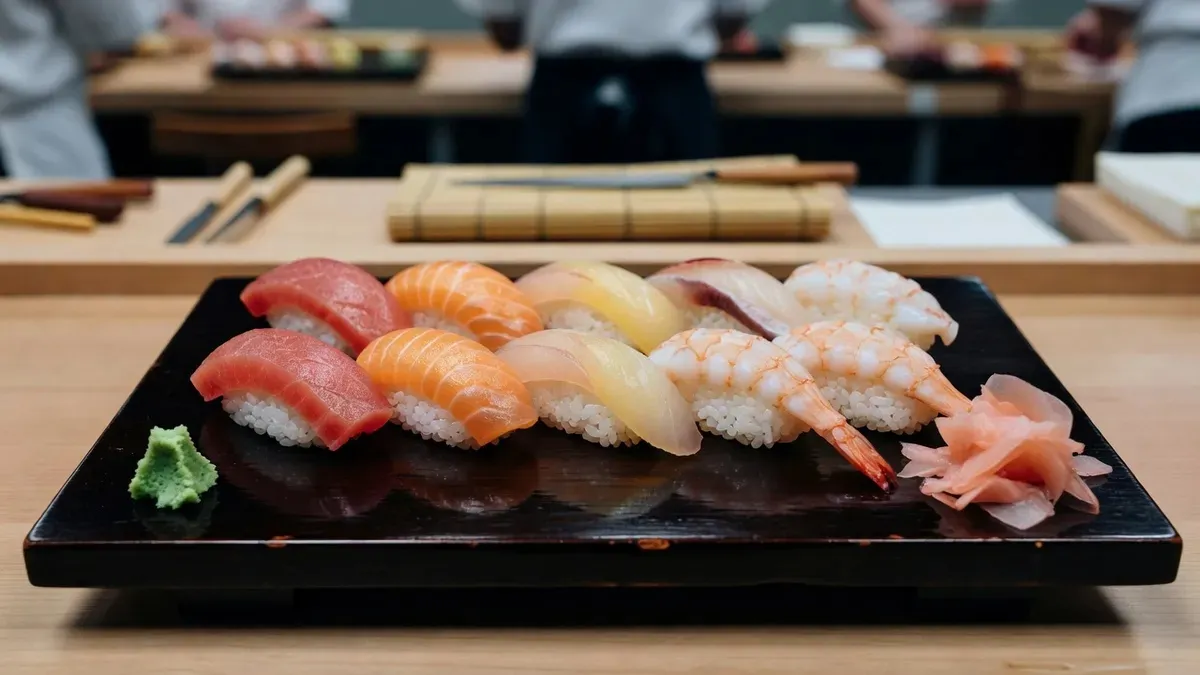
Freshly shaped nigiri sushi with tuna salmon and shrimp on a ceramic plate prepared at a sushi making class in Asakusa Tokyo
Freshly shaped nigiri — the kind you'll leave knowing how to make at home.

Sushi Making Class Tokyo — Frequently Asked Questions

How much does a sushi making class in Tokyo cost?

Prices range from $45 to $119 depending on the class length, location, and whether it's private or group. The Shibuya hand-roll class is the most affordable at $45. The Asakusa and Happi Coat classes fall in the $57–$58 range. The Tsukiji pro-chef class is $69. The Shinjuku 3-hour class with Cooking Sun is $65. The private Ginza Edomae session runs $119. All prices include ingredients and a sit-down meal.

Do I need any experience to join a sushi making class in Tokyo?

No experience is needed for any class in this guide. All six operators are explicitly beginner-friendly — instructors expect you to know nothing and walk you through every step, from washing and seasoning the rice to shaping your first nigiri. The most-reviewed option, the Asakusa Roll & Authentic class, has 2,153 verified reviews from first-timers.

How long does a sushi making class in Tokyo last?

Most classes run 90 minutes. The Asakusa Roll & Authentic class is 100 minutes. The Tsukiji class can extend to 4 hours if you choose the version with a fish market tour. The Shinjuku Cooking Sun class is the longest at 3 hours and covers the widest variety of sushi types.

What type of sushi will I make?

Depends on the class. Most operators teach nigiri (hand-pressed rice with fish) and maki (seaweed rolls). The Shibuya class focuses on temaki (hand-rolled cones with tuna, salmon, and shrimp). The Shinjuku 3-hour class also covers inari (sweet tofu pouches) and tamagoyaki (Japanese rolled egg). The Ginza private class focuses exclusively on traditional Edomae nigiri technique.

Are there vegetarian or vegan sushi making classes in Tokyo?

Yes, but not at every operator. The Asakusa Roll & Authentic class offers vegan, vegetarian, gluten-free, and halal menus on request. The Happi Coat class and the Shinjuku Cooking Sun class also accommodate most dietary needs with advance notice. The Tsukiji fish market class and the Ginza private class do not offer meat-free alternatives.

Which neighbourhood in Tokyo is best for a sushi making class?

Asakusa is the most popular choice — historic district, most-reviewed class. Shibuya is ideal if you want something central and low-key, steps from the Scramble. Tsukiji is right if you want the full fish-market experience. Ginza suits anyone who wants an intimate, private session. Shinjuku is best for a 3-hour deep-dive. Happi Coat class offers a choice of two locations: near Tokyo Tower or in Asakusa.

How far in advance should I book a sushi class in Tokyo?

At least 2–3 weeks for most of the year. During cherry blossom season (late March–mid April) and Golden Week (April 29–May 5), book 4–6 weeks ahead. Summer and winter (excluding New Year's week) are easier — 3–5 days is often sufficient.

Can I book a private sushi making class in Tokyo?

Yes. The YURAGI Ginza private class is the only fully private sushi making class Tokyo offers at scale — your group gets the full Edomae sushi counter to yourselves with a master chef and a multilingual guide. It runs $119 per person and includes a certificate of completion and a souvenir. Several group-class operators also accept private bookings for an additional fee — contact them directly at booking.

What is Edomae sushi?

Edomae (literally 'in front of Edo') is the original Tokyo style of sushi, invented in the 1820s near present-day Tsukiji. It uses nigiri shaped by hand with vinegared sushi rice and fish that is lightly cured, marinated, or seasoned — rather than raw sashimi-grade fish straight from the market. The private Ginza session with YURAGI teaches this traditional Edomae technique.

What should I wear to a sushi class in Tokyo?

Comfortable, casual clothes. The Happi Coat class provides a traditional Japanese coat for the session. The Shinjuku and Tsukiji classes provide aprons. Avoid white tops — there is a small risk of fish oil or soy sauce contact during nigiri shaping. Declare any allergies at booking, not on the day.

Is there food to eat at the end of the class?

Yes — at every class in this guide you sit down and eat the sushi you made. Most classes serve miso soup alongside. The Tsukiji class also includes an additional piece prepared by the master chef. The Shibuya class pairs your hand rolls with miso soup and green tea. Come hungry.

Can children join a sushi making class in Tokyo?

Most classes welcome children. The Asakusa Roll & Authentic class accommodates families with no stated age minimum. The Happi Coat class accepts children aged 4 and over as paid participants (children 3 and under may share an adult's dish for free). The Tsukiji class does not accept children under 4. The Shinjuku Cooking Sun class works well for families. Confirm current age policies with the operator at booking.

Ready to make sushi with a Tokyo chef?

Every class on this page ends with a full meal you made yourself — pick your neighbourhood and check availability.

Check Availability
Tours from $45 Check Availability